Building on the strong foundation of our Early Years Stage, our blend of the British National Curriculum and International Primary Curriculum translates essential knowledge into real-world understanding, developing confident, globally minded learners who connect what they learn to the world around them.
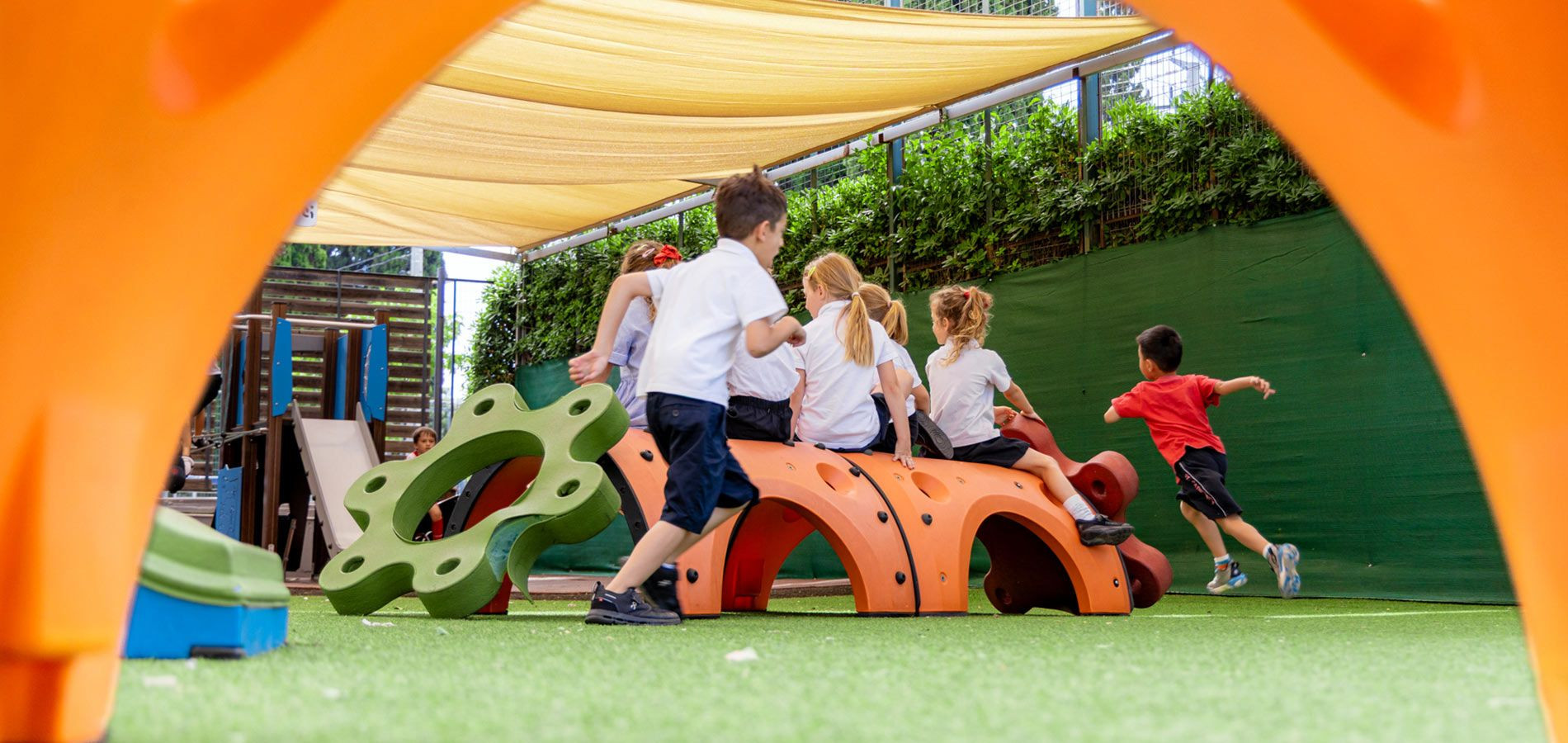
Lower School
Where confidence soars and excellence is the standard
Lower School
Where confidence soars and excellence is the standard
At St. Catherine’s, our Lower School balances academic rigour with the holistic growth inspired by our core values - Care, Integrity, Dedication, and Curiosity. We foster an environment where children are encouraged to think critically, collaborate with confidence, and develop a lifelong love of learning.
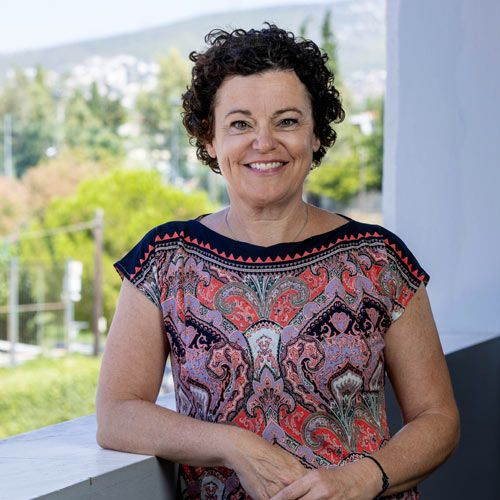
"Lower School is where a child’s natural curiosity turns into lasting academic confidence. We don’t just teach children how to acquire knowledge; we empower them to understand who they are, how they learn, and how they can make a meaningful mark on the world around them."
Mrs. Lucy Shore
Head of Lower School
Curriculum Framework
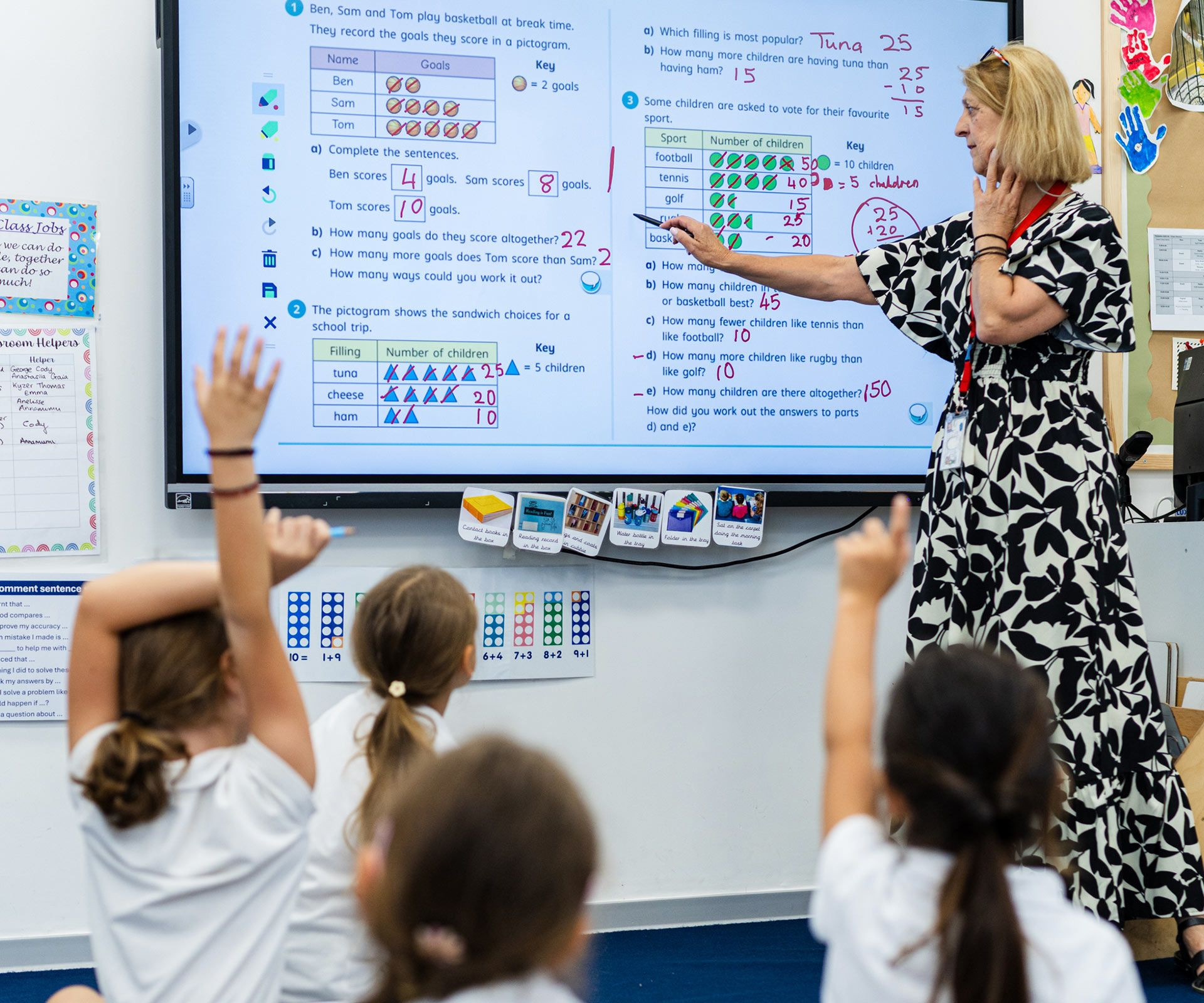
Our Lower School curriculum follows the National Curriculum for England for English and Mathematics, enhanced by the internationally benchmarked International Primary Curriculum (IPC) for thematic learning in non-core subjects:
- English & Mathematics: Core literacy is developed through rich, challenging texts. Mathematics is taught using the concrete, pictorial, and abstract approaches of White Rose Maths, instilling problem-solving skills, and mathematical reasoning.
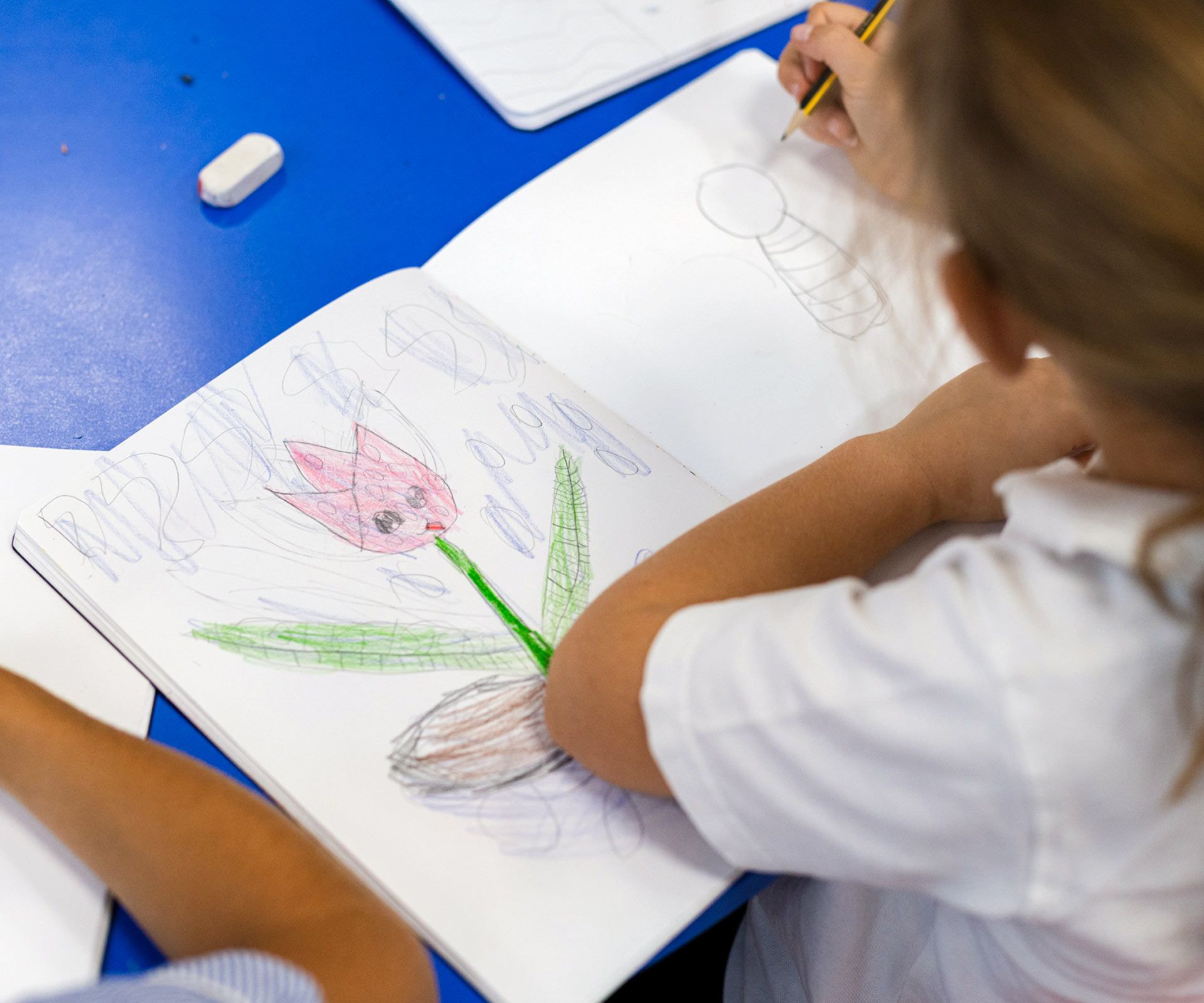
- Thematic Learning through IPC: Non-core subjects, including science, history, geography, technology, and the arts, are taught through the International Primary Curriculum (IPC). This globally recognized, cross-curricular framework helps children connect learning across disciplines.
- Specialist Subjects: Standalone lessons in Music, PE, Art, and ICT (Computing) continue regularly, with meaningful links made to IPC themes wherever appropriate.
The Three Core Benefits of the IPC
The International Primary Curriculum enhances learning by bridging academic depth with personal development:
- Integrated Learning: Instead of teaching subjects in isolation, science, history, geography, and art are linked through engaging themes to help children see how knowledge connects across disciplines to make real-world sense.
- Skills for the Future: Learning focuses on active inquiry, critical thinking, collaboration, and problem-solving, equipping children with the adaptability needed for an ever-changing world.
- International Mindedness: Children build a strong sense of their own identity and heritage while developing empathy, respect, and global awareness for other perspectives and cultures.
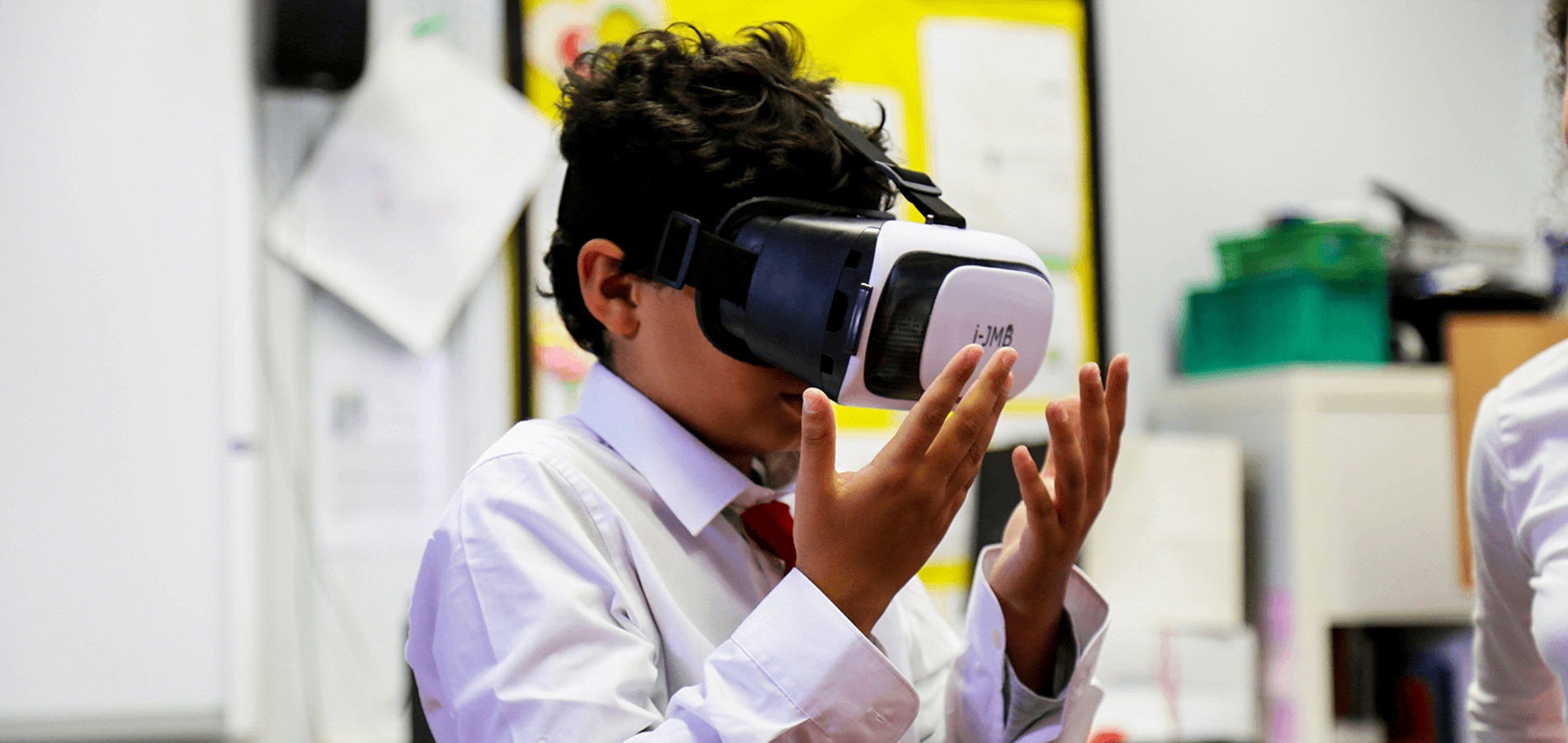
Personal Learning Goals: Future-Ready Skills
Central to our primary approach are the IPC Personal Learning Goals, which help cultivate character alongside academic achievement:
- Adaptable: Responding positively to new situations and challenges.
- Communicators: Expressing ideas clearly and listening actively.
- Collaborative: Working effectively with others.
- Empathetic: Understanding different viewpoints and experiences.
- Ethical: Acting responsibly and making principled choices.
- Resilient: Staying motivated even when learning becomes difficult.
- Respectful: Valuing themselves, others, and their environment.
- Critical Thinkers: Questioning, analysing, and making thoughtful decisions.
These goals align directly with our commitment to British Values, fostering respect, tolerance, and active participation within our school community.
How an IPC Unit Works
Rather than learning subjects in isolation, IPC units anchor learning around captivating, real-world themes. Every unit follows a purposeful learning pathway:
- Entry Point: A memorable, hands-on launch activity that sparks curiosity and enthusiasm.
- Knowledge Harvest: Reflective opportunities to capture prior knowledge and set personal learning goals.
- Subject Research & Tasks: Interconnected exploration bridging science, history, geography, and design.
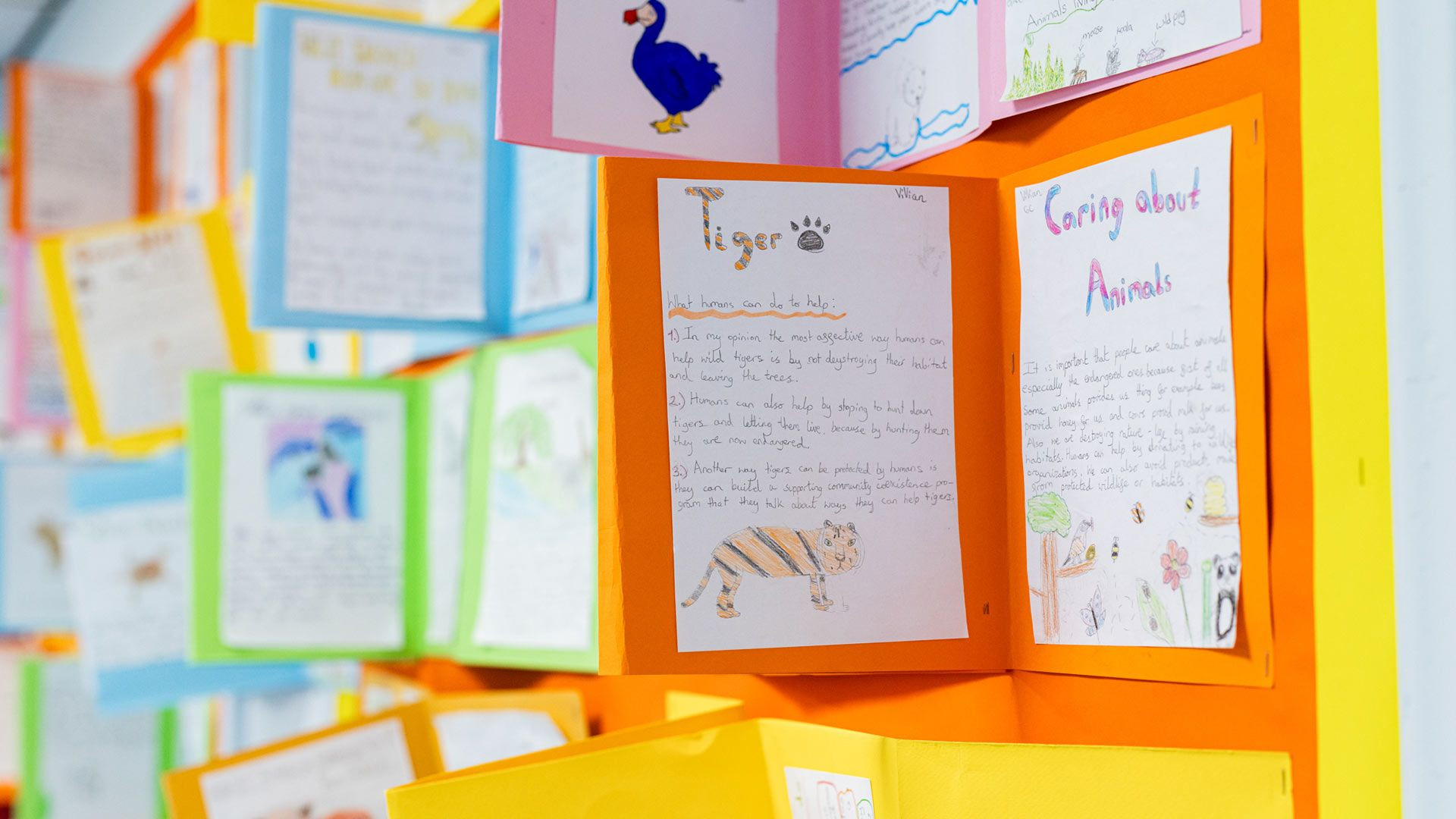
- Exit Point: A culminating exhibition or project where students celebrate and demonstrate their learning.
How to Begin Your Family's Journey
Admissions Overview
Welcome to St. Catherine’s British School. Our Admissions team is here to support you through your child’s admissions journey to join our school.


The best way to gain a genuine understanding of life at St. Catherine’s is to visit the school during the day and see our community and learning environment in action.