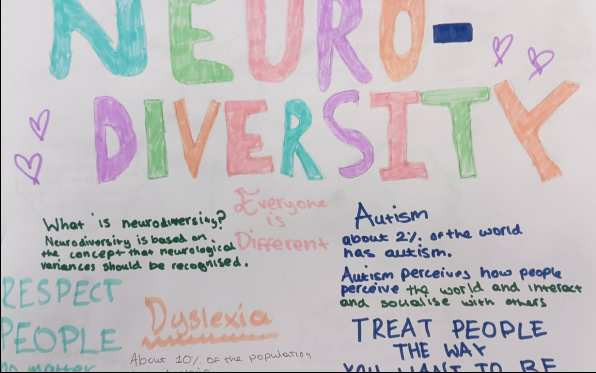
Understanding and embracing neurodiversity helps children thrive. Learn how to foster inclusion at home and in the community.
I remember when I first moved to Greece, I began working with Jake, a bright and curious eleven-year-old with ADHD. One afternoon while sitting with him, I noticed how he struggled to finish his homework, his foot tapped restlessly against the floor, and his fingers drummed against the table. He got up walked around and kicked a ball. "I try so hard to sit still," he admitted, "but I just can’t think." The frustration in his voice was clear. He wanted to try, but he also wanted to be himself and release all that energy.
Then there was Mia, a thirteen-year-old with dyslexia who dreaded reading aloud in class. "The letters move around" she once told me. "By the time I figure them out, everyone is waiting and I am so embarrassed." She had a gift for storytelling and an incredible imagination, yet traditional reading methods often made her feel like she was failing.
And Ella, a seven-year-old with autism, who used to grind her teeth and clench her fists when asked a question in a social setting because the social interaction was too much for her. I remember her once describing that uncomfortable feeling, "My cheeks burn, they are teasing me and I just start to shake and get angry". While other children flow naturally into conversation, for Ella, it’s a moment of sensory overload and intense anxiety that can set the tone for the rest of her day.
Neurodiversity is all around us, in our families, schools, and communities. It includes people with autism, ADHD, dyslexia, dyspraxia, Tourette’s syndrome, and other neurological differences. Each neurodivergent individual has their own way of thinking, learning, and interacting with the world. And when families and communities embrace neurodiversity, it creates a world where these children feel accepted, valued, and understood.
Why Embracing Neurodiversity Matters
When neurodivergent children are pressured to behave like their neurotypical peers, it can be exhausting. They may feel the need to mask their natural behaviours—holding in stims, forcing eye contact, or suppressing their need for movement. This masking is mentally and physically draining. It makes it harder to focus in school, participate in social activities, and develop a strong sense of self.