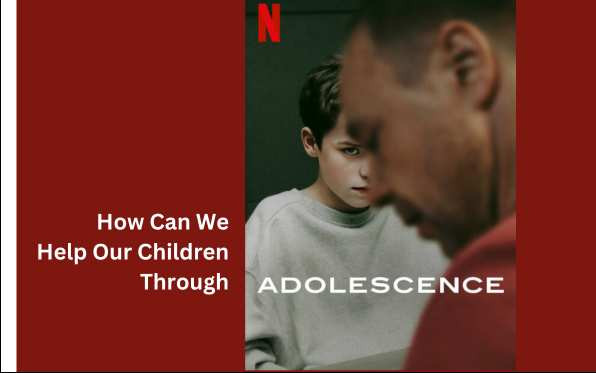
The hot new Netflix show has captured our attention. Now let's talk about how to react.
When I first heard about the Netflix miniseries Adolescence, it was from concerned parents and colleagues. They spoke about how unsettling it was, how it struck a nerve about the digital world our children are growing up in. I had every intention of watching the series because of the feedback I was receiving as well as all the online reviews I had read. I decided to watch all 4 episodes in one sitting and what I saw shook me. It wasn’t just a TV show; it was our reality. I started researching the themes it explores to better understand this new digital world that keeps evolving, and I realised the deep implications it has for our children and our community.
The Evolution of Cyberbullying
Bullying has changed. It’s no longer just name-calling in the hallways or playground roughhousing. Today’s bullying is digital, subtle, and incredibly harmful. Our children are not just dealing with direct insults; they are navigating a coded world where emojis, colours, and specific phrases carry hidden meanings that can have dangerous implications. A simple group chat can turn into a battleground, where exclusion and humiliation happen in ways we, as adults, may struggle to detect.
Unlike in the past, where school was a place children could escape bullying from the neighbourhood, the online world means there is no escape. It follows them home, into their bedrooms, into their most private spaces. And the worst part? Many of us don’t even know it’s happening.
The Rise of Radicalisation and the “Manosphere”
One of the most terrifying aspects of Adolescence is its portrayal of Jamie, a seemingly ordinary teenager who is drawn into the toxic online “manosphere.” This space is filled with influencers and forums that prey on young men’s insecurities, feeding them misogynistic and extremist ideologies. They convince boys that women are the enemy, that society is rigged against them, and that they are justified in their anger.
Many of these groups use the term “incel” (involuntary celibate) to describe themselves, boys and men, who feel rejected by women and believe they are owed attention and affection. These spaces provide a false sense of belonging, reinforcing harmful ideas like the “80/20 rule” (the belief that only 20% of men are desirable to 80% of women) and pushing them further into resentment. For some, this leads to anger, isolation, and in the most extreme cases, violence.
Jamie’s story is disturbing because it’s not an exaggeration. It’s real. And it’s happening to children who, on the surface, seem just like everyone else. They are well-behaved, polite, and high achieving, until the darkness they’ve been consuming online starts to affect them.